
Your liver is the hardest-working organ in your body. It filters toxins, processes nutrients, and manages drug metabolism every single second. But what happens when the very medicines meant to heal you start attacking it? This condition is known as Drug-Induced Liver Injury, or DILI. It occurs when medications, herbal supplements, or other substances cause liver damage that isn't explained by any other disease. It’s not just a rare medical curiosity. Data from the Acute Liver Failure Study Group shows that DILI accounts for 5% to 20% of all acute liver failure cases in the United States. That means one in five people facing sudden liver collapse are there because of a drug reaction. For most, stopping the medication leads to full recovery. For others, it can mean permanent scarring or even needing a transplant. The key difference? Knowing which drugs carry the highest risk and watching for the warning signs early. We often think of liver damage as coming from alcohol or viruses like Hepatitis C. While those are major causes, pharmaceuticals and supplements are increasingly common culprits. Understanding how these injuries happen, which pills to watch out for, and how to monitor your health can save your life. Here is what you need to know about protecting your liver while taking necessary medications.
How Drug-Induced Liver Injury Happens
To understand why some drugs hurt the liver, you have to look at how the liver works. The liver is the primary site for drug metabolism. When you swallow a pill, your liver breaks it down into smaller pieces so your body can use them or flush them out. Sometimes, this breakdown process creates toxic byproducts. If these byproducts build up faster than the liver can handle, they damage liver cells, known as hepatocytes. Doctors classify DILI into two main types based on how predictable the injury is:
- Intrinsic (Predictable) Toxicity: This type follows a clear dose-response relationship. If you take enough of the drug, almost anyone will get liver damage. The classic example is acetaminophen (Tylenol). At normal doses, it’s safe. At high doses, it overwhelms the liver’s detoxification pathways, leading to cell death. This type usually happens quickly after exposure.
- Idiosyncratic (Unpredictable) Toxicity: This is the trickier category. It affects only a small number of people, regardless of the dose. You might take a standard dose of an antibiotic for weeks with no issues, then suddenly develop liver inflammation. This type makes up about 75% of all DILI cases. It’s often linked to individual genetic factors or immune system reactions rather than simple overdose.
The unpredictable nature of idiosyncratic DILI is why doctors rely on monitoring rather than just guessing who will react badly. As Dr. Paul B. Watkins, a leading expert in pharmacogenomics, notes, the liver’s role in processing drugs creates unique vulnerabilities where metabolic errors can accumulate silently until significant damage has occurred.
High-Risk Medications to Watch
Not all drugs carry the same level of risk. Some are notorious for causing liver issues, while others rarely do. Knowing which categories to be wary of helps you stay vigilant. Here are the most common offenders identified by the Drug-Induced Liver Injury Network (DILIN).
| Medication Class | Specific Examples | Risk Type | Key Notes |
|---|---|---|---|
| Acetaminophen | Tylenol, Panadol | Intrinsic | Cause of ~46% of acute liver failure cases. Toxicity risk rises sharply above 4 grams/day. Lower limit (3g) for elderly or those with existing liver issues. |
| Antibiotics | Amoxicillin-clavulanate, Isoniazid | Idiosyncratic | Amoxicillin-clavulanate is the most frequent cause of idiosyncratic DILI. Isoniazid requires strict monthly monitoring due to high risk in older adults. |
| Antiepileptics | Valproic Acid, Carbamazepine | Idiosyncratic | Valproic acid carries a higher fatality rate in severe cases, especially in children under 2. Genetic testing can help predict risk. |
| Statins | Atorvastatin, Simvastatin | Mild/Idiosyncratic | Often cause mild enzyme elevations that resolve on their own. Severe injury is extremely rare (0.001-0.002%). Routine monitoring is often deemed unnecessary by guidelines. |
| Herbal Supplements | Green tea extract, Kava, Anabolic steroids | Variable | Account for ~20% of DILI cases. Often overlooked because patients don't report supplement use to doctors. |
One surprising trend is the rise of herbal and dietary supplements (HDS) as a cause of liver injury. In the past, we thought herbs were "natural" and therefore safe. However, data shows HDS now represent about 20% of DILI cases in the US. Products containing green tea extract, kava, and certain weight-loss blends have been linked to severe hepatitis. Men account for 60% of these supplement-related cases, likely due to higher usage rates of performance-enhancing or bodybuilding supplements.
Recognizing the Warning Signs
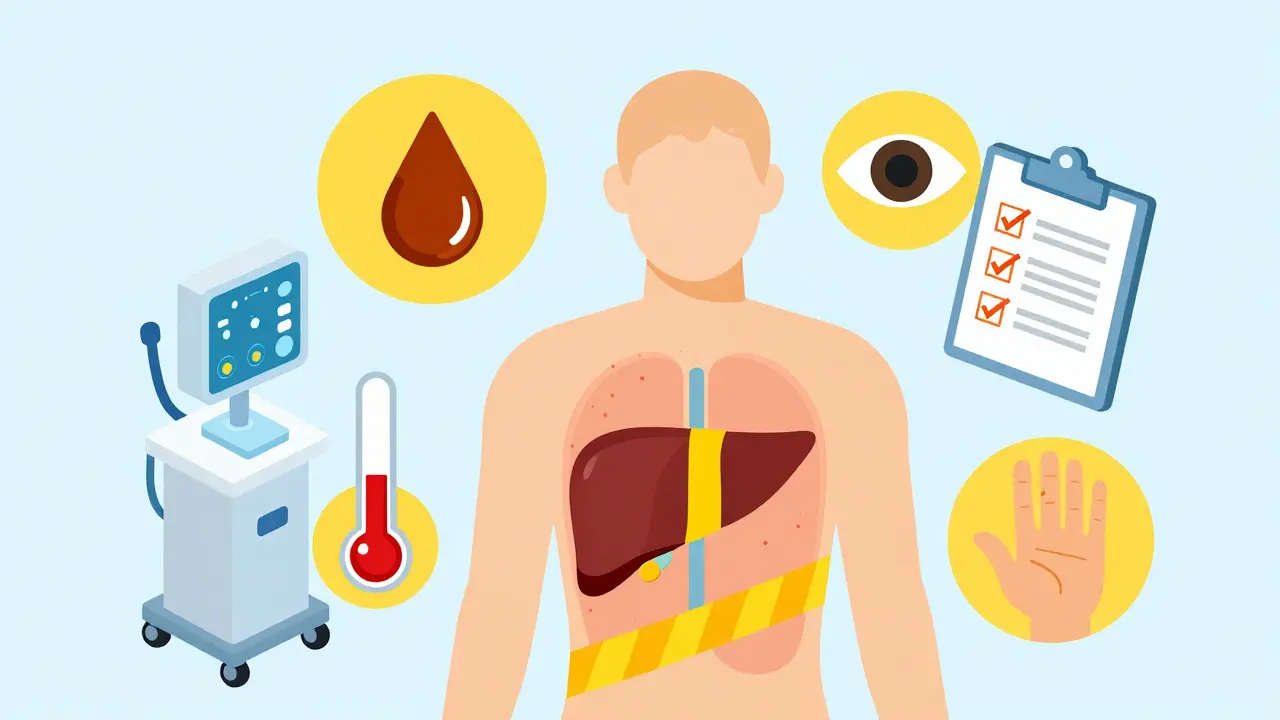
Liver injury doesn’t always announce itself with pain. In fact, the liver has few nerve endings, so you might feel fine while damage is occurring. This is why blood tests are crucial. However, knowing the physical symptoms can prompt you to seek help before things get critical. If you are taking a high-risk medication, watch for these red flags:
- Fatigue and Weakness: An unexplained drop in energy that doesn’t improve with rest.
- Juice-Colored Urine: Dark amber or brown urine that persists despite drinking plenty of water.
- Jaundice: A yellowing of the skin or the whites of the eyes. This indicates bilirubin is building up because the liver isn’t filtering it properly.
- Right-Sided Abdominal Pain: Discomfort or swelling in the upper right quadrant of your abdomen, where the liver sits.
- Intense Itching: Also known as pruritus, this is common in cholestatic patterns of liver injury where bile flow is blocked.
- Nausea and Loss of Appetite: Persistent stomach upset that feels different from typical indigestion.
A patient story from the British Liver Trust highlights how easy these symptoms are to miss. A 45-year-old woman developed DILI from amoxicillin-clavulanate prescribed for a sinus infection. She experienced yellow eyes, dark urine, and unbearable itching that lasted three months after she stopped the antibiotic. Her initial misdiagnosis delayed treatment. If you notice these symptoms starting within 1 to 12 weeks of beginning a new medication, contact your doctor immediately.
Monitoring Protocols and Blood Tests
You cannot see liver damage with the naked eye. You need blood tests to measure liver enzymes. Doctors primarily look at two markers:
- Alanine Aminotransferase (ALT): This enzyme leaks into the blood when liver cells are damaged. High ALT suggests hepatocellular injury (direct cell death).
- Alkaline Phosphatase (ALP): This enzyme rises when bile flow is obstructed. High ALP suggests cholestatic injury (bile duct issues).
According to the Council for International Organizations of Medical Sciences (CIOMS), DILI is suspected if ALT rises to more than 3 times the upper limit of normal (ULN) or if ALP rises to more than 2 times the ULN. The timing and frequency of these tests depend on the drug:
- Isoniazid (for Tuberculosis): Because this drug carries a significant risk, especially in people over 35, the CDC recommends monthly liver function tests for the first three months, then quarterly. If ALT exceeds 3-5x ULN, the drug must be stopped.
- Statin Users: Guidelines from the American College of Gastroenterology suggest routine monitoring isn’t cost-effective because severe injury is so rare. Instead, patients are educated to watch for symptoms. However, many doctors still check baseline levels before starting therapy.
- High-Risk Antiepileptics: Weekly checks may be required during the first month, then biweekly for months 2-3, as recommended by the American Association for the Study of Liver Diseases (AASLD).
For the average person taking occasional painkillers, routine blood tests aren’t necessary. But if you are on long-term therapy with known hepatotoxic drugs, regular monitoring is non-negotiable. Don’t skip those appointments. They are your early warning system.
Diagnosis and Hy's Law
When liver enzymes spike, doctors face a puzzle. Is it the drug? Or is it viral hepatitis, autoimmune disease, or fatty liver? DILI is a "diagnosis of exclusion," meaning doctors must rule out everything else first. To assess the severity, clinicians often refer to Hy’s Law. This clinical rule states that if a patient has both:
- ALT or AST greater than 3 times the upper limit of normal, AND
- Total bilirubin greater than 2 times the upper limit of normal,
Tools like the RUCAM score (Roussel Uclaf Causality Assessment Method) help standardize this diagnosis. A score of 8 or higher indicates "highly probable" DILI. This systematic approach ensures that patients get the correct treatment plan without unnecessary delays.
Prevention and Recovery Strategies
The best way to treat DILI is to prevent it. Here are practical steps you can take to protect your liver:
- Disclose All Substances: Tell your doctor about every pill, vitamin, and herbal supplement you take. Patients often forget to mention green tea extracts or gym supplements, which can interact dangerously with prescription meds.
- Stick to Dosage Limits: Never exceed the recommended dose of acetaminophen. Check labels on cold and flu medications, as many contain hidden acetaminophen. Combining Tylenol with NyQuil, for example, can easily push you over the safe limit.
- Limit Alcohol: Alcohol stresses the liver. Mixing alcohol with medications like acetaminophen or statins increases the risk of injury significantly.
- Ask About Genetics: For certain drugs like flucloxacillin or abacavir, genetic testing (e.g., for HLA-B*57:01) can predict if you are at high risk. Ask your provider if this applies to your prescriptions.
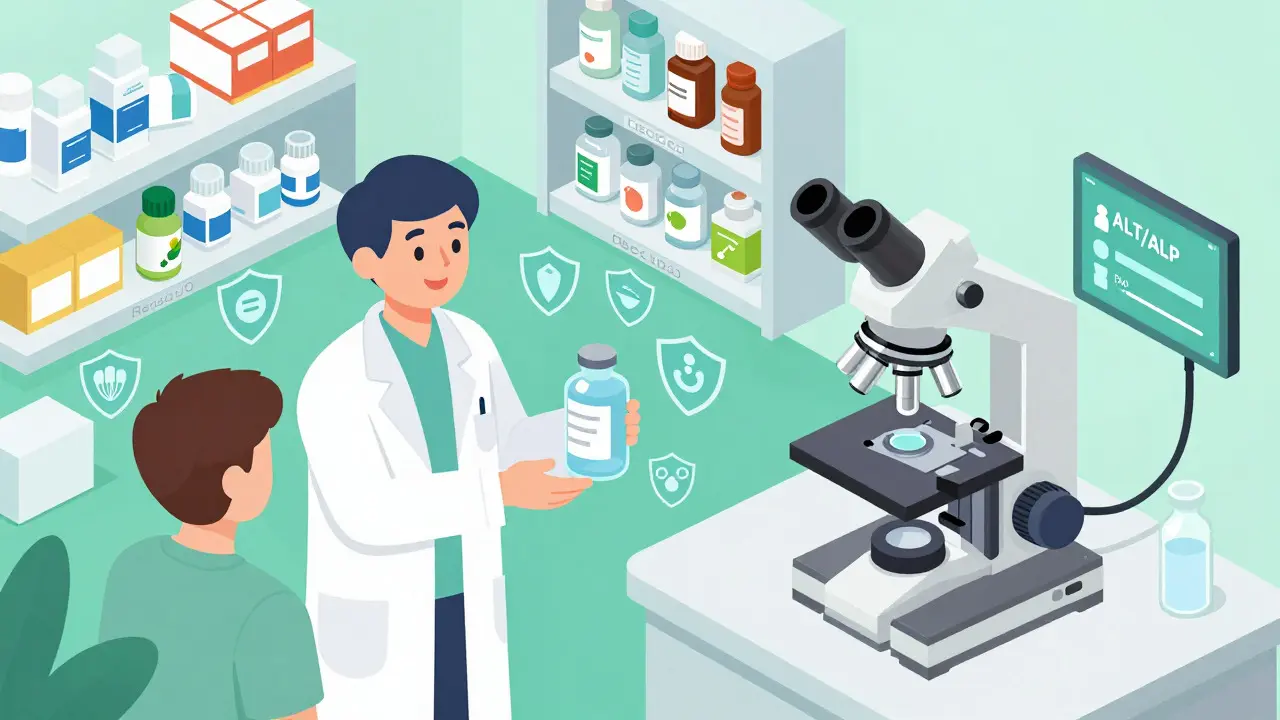
- Pharmacist Consultation: Pharmacists are experts in drug interactions. Studies show that medication therapy management services reduce DILI incidence by 23% in patients taking multiple drugs. Use them as a resource.
If DILI does occur, the primary treatment is stopping the offending drug. Approximately 90% of patients show improvement in liver enzymes within 1 to 2 weeks of discontinuation. In cases of acetaminophen overdose, the antidote N-acetylcysteine (NAC) is highly effective if given within 8 hours. Delayed treatment reduces efficacy significantly, highlighting the importance of rapid action.
Future Directions in Liver Safety
Science is making strides in predicting and preventing liver injury. Researchers at the University of North Carolina developed a "DILI-similarity score" that uses chemical structure analysis to predict a drug’s potential for causing liver injury with 82% accuracy. This could help pharmaceutical companies screen out dangerous compounds earlier in development. Additionally, new biomarkers like microRNA-122 are being studied. Unlike traditional ALT tests, microRNA-122 rises 12 to 24 hours earlier in the course of liver injury. This window of time could allow doctors to stop a harmful drug before serious damage sets in. Electronic health record alerts are also being implemented to warn doctors of high-risk drug combinations, potentially preventing 15-20% of severe cases through early intervention.
What are the first signs of drug-induced liver injury?
Early signs often include unexplained fatigue, nausea, loss of appetite, and dark urine. More specific signs include jaundice (yellowing of the skin or eyes), intense itching, and pain in the upper right abdomen. Many patients experience no symptoms initially, which is why blood tests are critical for those on high-risk medications.
Can your liver recover from drug-induced injury?
Yes, in most cases. Approximately 90% of patients recover fully once the offending medication is stopped. Recovery typically takes 3 to 6 months for moderate injury. However, in severe cases involving acute liver failure, permanent damage or transplantation may be required. Early detection significantly improves outcomes.
Which medications are most likely to cause liver damage?
The most common causes include acetaminophen (especially in overdose), antibiotics like amoxicillin-clavulanate and isoniazid, antiepileptic drugs such as valproic acid, and certain herbal supplements like green tea extract and kava. Statins rarely cause severe injury but can lead to mild enzyme elevations.
Do I need regular liver tests if I take statins?
Current guidelines from the American College of Gastroenterology suggest that routine monitoring for statin users is not cost-effective because severe liver injury is extremely rare (less than 0.002% of cases). However, a baseline test is often done before starting, and patients should be aware of symptoms like fatigue or abdominal pain that warrant immediate medical attention.
What is Hy's Law and why is it important?
Hy's Law is a clinical predictor used to assess the risk of acute liver failure. It states that patients with elevated liver enzymes (ALT >3x normal) AND elevated bilirubin (>2x normal) have a 10-50% risk of developing fatal liver failure. It helps doctors identify severe cases early and take aggressive action, such as hospitalization or considering transplantation.
Are herbal supplements safe for the liver?
Not necessarily. Herbal and dietary supplements account for about 20% of DILI cases in the US. Ingredients like green tea extract, kava, and anabolic steroids have been linked to significant liver injury. Because supplements are less regulated than pharmaceuticals, quality and potency can vary, increasing the risk of unexpected toxicity.


