
Dealing with severe cystic acne isn't just about the physical breakouts; it's the way it hits your confidence and daily life. When topical creams and antibiotics fail, Isotretinoin is a powerful oral retinoid derived from vitamin A used to treat severe, recalcitrant acne vulgaris. Often recognized by its original brand name, Accutane, this medication is essentially the "heavy hitter" of dermatology. If you're considering it, you're likely looking for a permanent solution rather than another temporary fix.
How it actually works to clear skin
Unlike a spot treatment that just dries out a pimple, isotretinoin attacks the root causes of acne on multiple fronts. It dramatically shrinks your sebaceous glands-the oil factories in your skin-reducing sebum production by up to 90%. This is a huge deal because without that excess oil, Cutibacterium acnes is the bacteria responsible for acne breakouts that thrives on sebum has nothing to feed on and can't grow.
It also fixes how your skin cells shed. Normally, cells can get clumped together and plug your pores; isotretinoin normalizes this process so pores stay open. Plus, it brings down the intense inflammation that causes those painful, deep nodules. Essentially, it turns off the acne machinery in your body.
The safety rules and the iPLEDGE program
Because this drug is so potent, it comes with strict rules. The most critical concern is teratogenicity, meaning it can cause severe birth defects if taken during pregnancy. In the US, this is managed through the iPLEDGE program, a mandatory risk management system that ensures patients are not pregnant before or during treatment.
If you're a woman of childbearing potential, expect a bit of a bureaucratic hurdle. You'll need two negative pregnancy tests before starting and monthly tests throughout the process. You'll also need to use two forms of contraception. While some find the paperwork annoying, it's a necessary safety net given the risks.
Decoding the lab work: Why the blood tests?
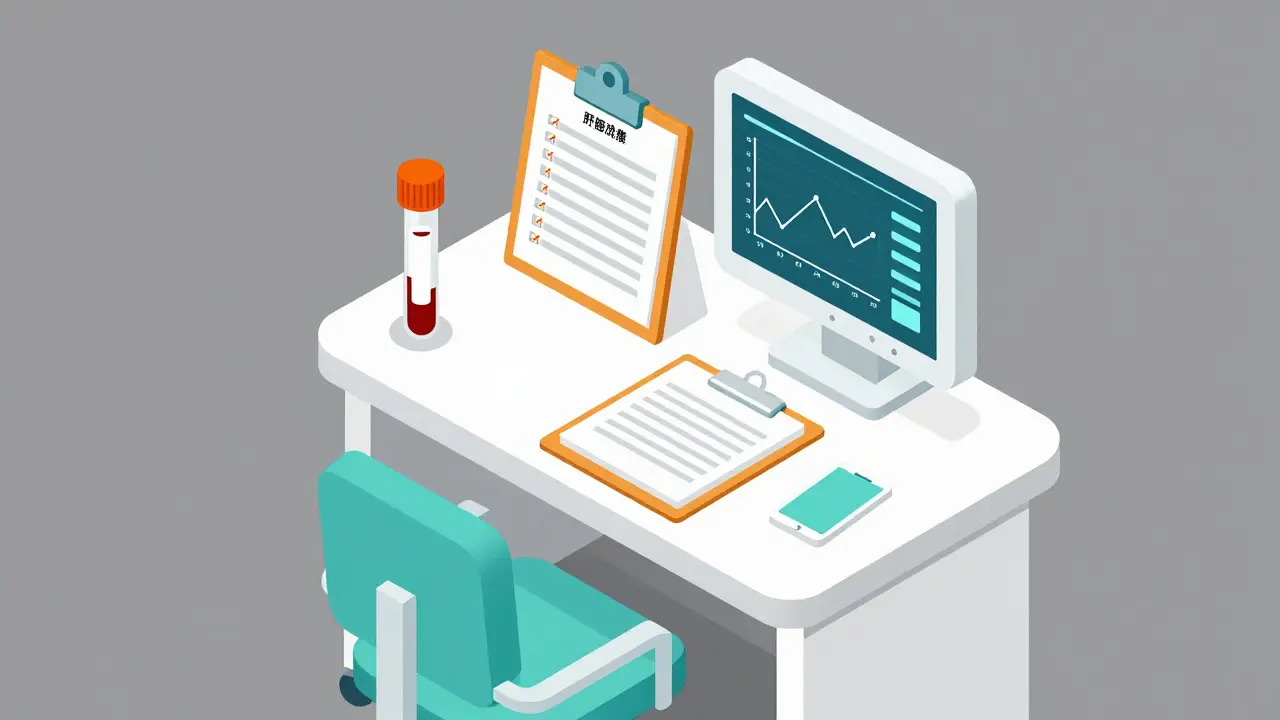
Your doctor won't just hand you a prescription; they need a baseline of how your body is functioning. Since the liver processes the medication and the drug can affect your blood fats, regular monitoring is non-negotiable. You'll start with a comprehensive panel and likely repeat these every 4 to 8 weeks.
| Test Type | What it Monitors | Why it Matters |
|---|---|---|
| Liver Function (ALT/AST) | Liver enzyme levels | Ensures the liver is handling the drug without stress |
| Lipid Panel | Triglycerides and Cholesterol | The drug can raise blood fats, which may require dose changes |
| CBC | Complete Blood Count | Checks for general health and potential blood irregularities |
Dosing strategies: High dose vs. Low dose
For years, the gold standard was a "cumulative dose" approach-taking a high dose (usually 0.5 to 1.0 mg/kg per day) until you hit a specific total amount of medication in your system (usually 120-150 mg/kg). The idea was that once you hit that number, the acne wouldn't come back.
However, newer research is shifting. Some patients now use low-dose protocols, such as 20 mg per day for three months. Studies show this can be up to 90% effective for moderate to severe cases with much lower relapse rates. The trade-off? High doses tend to clear skin faster but come with more intense side effects. Low doses are gentler on the body but might take longer to see results.
Managing the side effects
Let's be real: the "Accutane glow" usually starts with extremely dry skin. About 90% of people experience dry, peeling lips (cheilitis). To survive this, keep a petroleum-based lip balm in your pocket and apply it constantly. You'll also likely deal with dry eyes-avoid contact lenses if they become irritating-and occasionally a nosebleed.
One thing to watch out for is the "purge." About 30-40% of people see their acne get worse in the first two months. It's frustrating, but it's often just the medication pushing deep-seated clogs to the surface. Don't panic and don't quit; it's a sign the drug is working.
What results can you actually expect?
Isotretinoin is widely considered the most effective acne treatment available. While topical retinoids or antibiotics might work for a while, they often fail once you stop using them. In contrast, about 80% of people who complete a full course of isotretinoin achieve long-term remission. In many cases, the results are permanent.
The psychological shift is often the most rewarding part. Moving from a state of constant anxiety about your skin to having a clear complexion is life-changing. While it's a grueling 5 to 8 month journey, the payoff is a level of skin clarity that other treatments simply can't match.
How long does it take to see results?
Most people start seeing a noticeable difference after 6 to 12 weeks. However, keep in mind that some experience an initial flare-up where acne worsens before it gets better.
Can I use other acne treatments while on isotretinoin?
Generally, no. You should avoid other retinoids, benzoyl peroxide, or harsh scrubs, as your skin barrier is significantly weakened and these will cause severe irritation and peeling.
Does it cause depression?
There have been reports of mood changes and depression in a small percentage of users (around 0.1%). While a direct causal link is debated, it's important to tell your doctor if you feel sudden changes in your mental health.
What happens if I stop the medication early?
If you don't reach the required cumulative dose or complete the prescribed course, the risk of relapse is much higher. It's vital to finish the full duration to ensure the sebaceous glands are permanently altered.
Will my skin stay dry forever?
For most people, skin returns to normal a few weeks after the final dose. However, a small number of patients may experience prolonged dryness that requires ongoing moisturizing.
Next steps and troubleshooting
If you're planning to start, your first step is a consultation with a board-certified dermatologist. Be prepared to discuss your full medical history, especially any history of liver issues or mental health struggles. If you are a woman, start tracking your cycle and prepare for the iPLEDGE registration process.
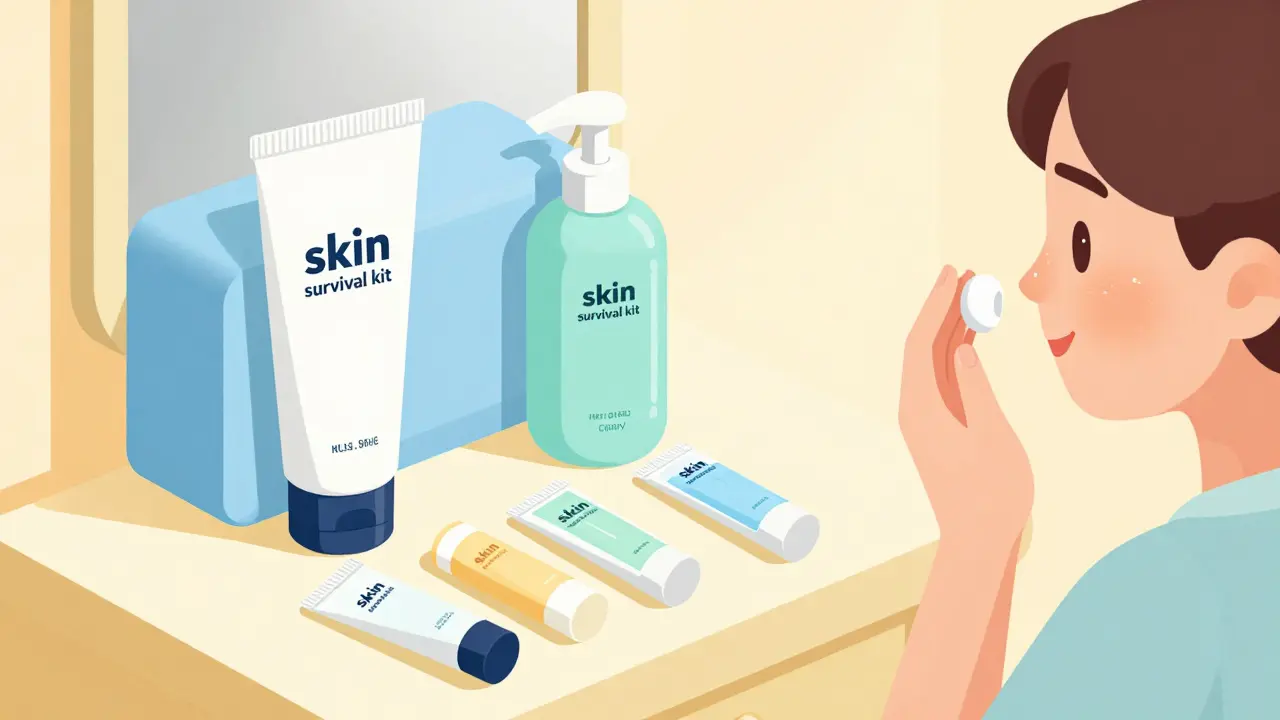
Once you start, build a "survival kit": a fragrance-free gentle cleanser, a thick moisturizer, and plenty of lip balm. If you experience a sudden, severe headache accompanied by vomiting, contact your doctor immediately, as this can be a sign of a rare but serious side effect called pseudotumor cerebri.


Comments
Betty Kawira April 28, 2026 AT 18:37
Just a heads up for anyone starting this journey, definitely get a humidifier for your bedroom. Between the dry air and the meds, your nasal passages will basically turn into a desert, and having that moisture in the air at night is a total game changer for avoiding those nosebleeds mentioned in the post.
Kevin Taggart April 29, 2026 AT 19:57
wat about the sun? ☀️ i herd u burn super fast on this stuff
Jean Robert April 30, 2026 AT 21:35
I really want everyone reading this to know that it is completely okay to feel overwhelmed by the process and the blood tests, but please just keep pushing through because the mental health boost you get when your skin finally clears up is honestly one of the most rewarding experiences you can have in your entire life. It takes a lot of patience and some days are harder than others, especially during the purge phase, but if you just take it one day at a time and keep your skincare simple, you will eventually reach the finish line and look back at this time with so much pride in your own resilience.
Michael Yoste April 30, 2026 AT 22:28
Glad you're doing this! I remember when I went through it, I felt like I was the only one struggling with the dryness, but honestly, you just have to embrace the struggle to get the reward, and I'm sure you'll handle it way better than I did since you're actually prepared.
Sharon Mathew May 2, 2026 AT 00:09
Oh please, as if anyone actually likes the iPLEDGE system! It is a total nightmare of a bureaucratic circus that makes you feel like a criminal just for trying to fix your face! Absolutely absurd!
Peter Minto May 2, 2026 AT 21:43
USA has the best meds in the world period. Some people just too weak to handle a litel bit of dry skin lol. Get a real moisturizer and stop whining.
Amber McCallum May 3, 2026 AT 04:37
True beauty comes from within anyway. If you rely on a pill to feel good, you are just fixing the outside while the inside stays the same. It is a simple truth that medicine cannot fix a lack of inner peace.
lalit adesara May 5, 2026 AT 04:18
Chemicals are a shortcut. Real discipline is found in Ayurveda. This Western obsession is pathetic.
prince king May 6, 2026 AT 05:53
So true that the psychological shift is the best part! ✨ It really changes how you interact with the world when you aren't hiding your face. Much love to everyone on this journey! 🌸😊
Stephen Johnson May 6, 2026 AT 06:01
It's interesting how we view the 'purge' as a failure when it's actually just the body accelerating a natural process. Just a reminder to everyone to be gentle with themselves during the middle months.
Justin Crice May 6, 2026 AT 14:24
The pharmacokinetics of the cumulative dose theory are well-documented, but the shift toward low-dose protocols suggests a nuanced understanding of sebum suppression thresholds. I would be interested to see more longitudinal data on the recidivism rates of low-dose versus high-dose cohorts.
Timothy Brown May 6, 2026 AT 18:02
Basically, just buy the biggest tub of Vaseline you can find and stop overthinking it. The blood tests are a pain but they're just doing their job.
Jenna Riordan May 7, 2026 AT 01:37
I bet most of the people complaining about the pregnancy tests are just lazy with their scheduling.
Raymond Lipanog May 8, 2026 AT 05:47
It is prudent to maintain a balanced perspective on the necessity of medical regulation. While the administrative burden may seem excessive, the ethical imperative to prevent fetal harm outweighs the temporary inconvenience of the patient.
Angela Cook May 9, 2026 AT 01:50
Exactly! Our medical systems are the gold standard for a reason! If you can't handle a few forms, you don't deserve the results! America leads the way in derm!