
Naloxone Co-Prescribing Risk Assessor
Clinical ToolPatient Parameters
Clinical Risk Factors
e.g., Alprazolam, Diazepam
Prior non-fatal event
COPD, Sleep Apnea
SUD, Alcohol, Stimulants
Depression, Anxiety
Assessment Result
Low RiskActive Factors Detected
Imagine this: your patient is on a stable dose of oxycodone for chronic back pain. They’ve been compliant, their pain is managed, and they seem fine. But then, one night, they accidentally double-dose after missing a previous pill, or perhaps they mix their opioids with leftover alcohol. Within minutes, their breathing slows dangerously. In that critical window, the difference between life and death often comes down to whether Naloxone is within arm’s reach.
This isn't just theoretical fear-mongering; it's a statistical reality for many patients on long-term opioid therapy. Naloxone co-prescribing is the clinical practice of prescribing this opioid antagonist alongside opioid analgesics to create a safety net. It transforms a potential tragedy into a manageable medical event. If you are a healthcare provider, a patient, or a family member involved in opioid care, understanding when and how to implement this strategy is no longer optional-it is a standard of care backed by major health organizations like the CDC and SAMHSA.
What Is Naloxone Co-Prescribing?
Naloxone co-prescribing is a harm reduction strategy where clinicians prescribe naloxone simultaneously with opioids to reverse respiratory depression caused by overdose. Naloxone works by competing with opioids for binding sites on opioid receptors. Because it has a higher affinity for these receptors, it effectively displaces the opioid, rapidly reversing the effects of overdose, particularly the dangerous suppression of breathing.
The practice gained formal traction following the CDC Guideline for Prescribing Opioids for Chronic Pain in 2016. This guideline recommended offering naloxone when specific risk factors are present. Today, it is endorsed by the American Medical Association (AMA), the Substance Abuse and Mental Health Services Administration (SAMHSA), and the Department of Health and Human Services (HHS). The core value proposition is simple: reduce opioid-related mortality by ensuring immediate reversal capability is available to the patient, their family, or bystanders.
Identifying High-Risk Patients: The MME Threshold
Not every patient on opioids needs naloxone immediately, but identifying who does requires looking at specific data points. The most critical metric is the Morphine Milligram Equivalents (MME) per day. MME is a standardized way to compare the potency of different opioids. For example, 30 mg of oral morphine equals 20 mg of oral oxycodone or 15 mg of oral hydrocodone.
According to HHS guidance, patients receiving opioids at dosages of 50 MME per day or greater have a significantly increased risk of overdose compared to those on lower doses. As the MME/day increases, so does the risk. However, MME is not the only factor. You should also consider:
- Concurrent Benzodiazepines: Using benzodiazepines (like alprazolam or diazepam) alongside opioids multiplies the risk of respiratory depression, regardless of the opioid dose.
- History of Overdose: Any prior non-fatal overdose is a strong predictor of future events.
- Respiratory Conditions: Patients with COPD or obstructive sleep apnea are more vulnerable to the respiratory depressant effects of opioids.
- Substance Use History: A history of substance use disorder, including alcohol or stimulants, increases risk, partly due to the potential for fentanyl contamination in illicit drugs.
- Mental Health Comorbidities: Depression and anxiety can affect medication adherence and increase the likelihood of accidental overdose.
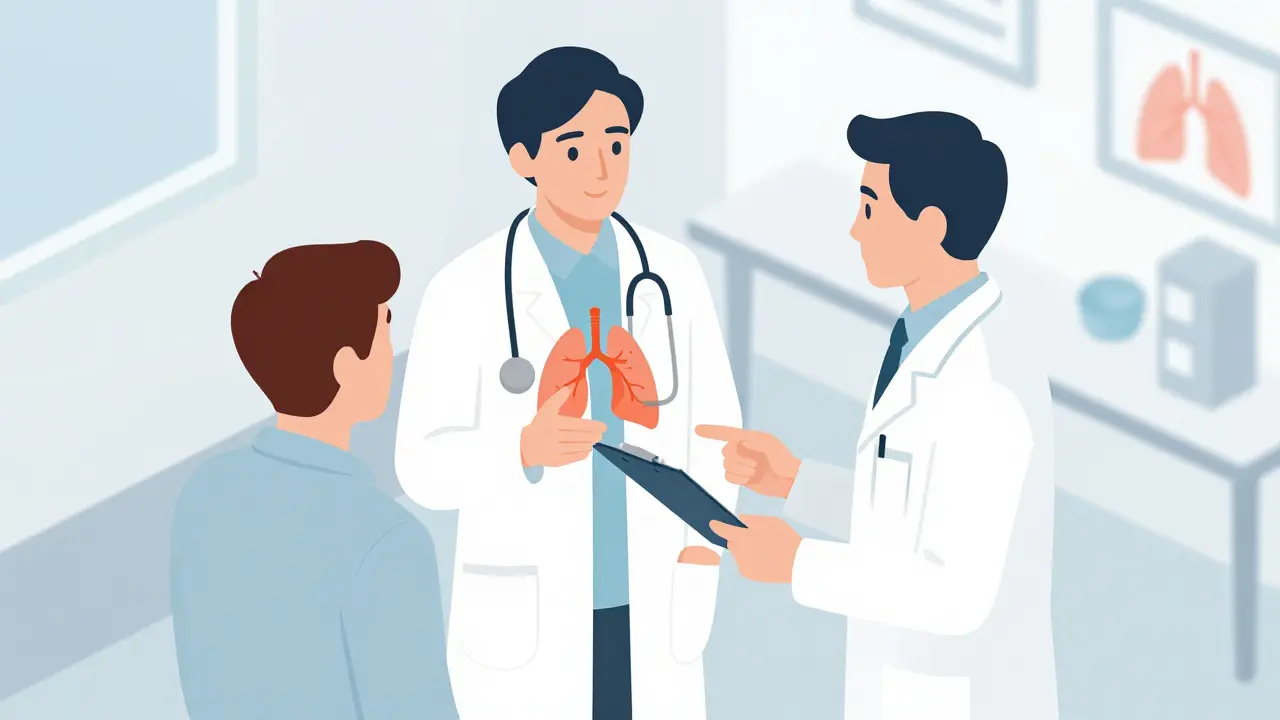
If any of these factors are present, the threshold for co-prescribing drops. Even patients below the 50 MME/day mark may benefit from having naloxone if they fall into these high-risk categories.
Formulations and Accessibility
Choosing the right formulation matters because ease of use determines whether the medication will actually be used in an emergency. The FDA-approved options include intranasal sprays, intramuscular injections, subcutaneous injections, and intravenous formulations.
| Formulation | Route of Administration | Key Advantage | Typical Cost (USD) |
|---|---|---|---|
| Narcan® Nasal Spray | Intranasal | No training required; easy for laypeople | $130 - $150 (Brand) |
| Generic Intranasal | Intranasal | Lower cost; similar efficacy | $25 - $50 |
| Injectable Kit | Intramuscular/Subcutaneous | Highly effective; requires training | $20 - $40 |
As of 2023, generic naloxone kits have become widely available at major pharmacy chains, reducing costs significantly. The SUPPORT Act of 2018 further improved access by allowing Medicare Part D and Medicaid to cover naloxone without restrictions, leading to a substantial increase in covered prescriptions. For many patients, the out-of-pocket cost is now minimal or zero, removing a major barrier to keeping the medication at home.
Overcoming Implementation Barriers
Despite the clear benefits, co-prescribing faces human and systemic hurdles. A 2021 survey found that 68% of primary care physicians reported discomfort discussing overdose risk with patients. Why? Often, it stems from a fear of stigma. Providers worry that prescribing naloxone implies they think the patient is "addicted" or likely to misuse their medication.
Patient feedback reflects this tension. Some feel offended, interpreting the prescription as a lack of trust. Others, however, report feeling safer. One chronic pain patient noted that while she was initially defensive, her teenage son accidentally took her pills, and the nasal spray saved his life. That shift in perspective-from offense to relief-is common once the practical utility is understood.
To address resistance, clinicians can use motivational interviewing techniques. Frame naloxone not as a punishment for potential misuse, but as a basic safety tool, akin to a fire extinguisher or a smoke detector. It doesn’t mean a fire is coming; it means you’re prepared if one happens. Educating family members is equally crucial. The Caregiver Action Network found that 78% of family members felt more secure knowing naloxone was available, even if the patient initially resisted.
Practical Workflow for Clinicians
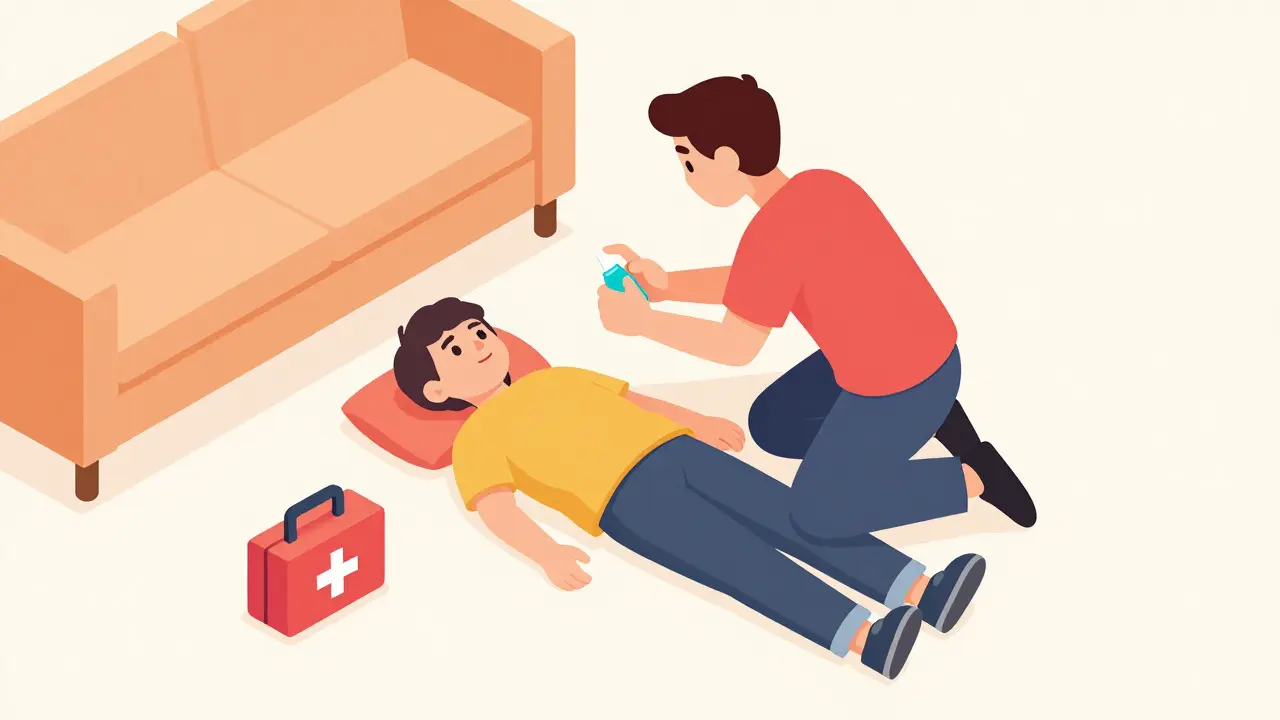
Implementing co-prescribing doesn’t need to add hours to your schedule. The CDC recommends a structured approach that takes about 5-7 minutes per at-risk patient:
- Risk Assessment: Review PDMP data and clinical factors (MME, benzos, history).
- Patient Education: Use tools like SAMHSA’s Opioid Overdose Prevention Toolkit. Teach the S.L.A.M. framework: Signs of overdose, Life-saving steps, Administer naloxone, Monitor until help arrives.
- Prescription and Dispensing: Write the prescription and ensure the patient or a designated family member knows how to use the specific formulation provided.
Documentation is key. Many large health systems now use EHR templates with standardized fields for risk assessment and education. This ensures consistency and provides a record of informed consent, which can be protective for both patient and provider.
Current Trends and Future Outlook
The landscape of naloxone access is evolving rapidly. The pharmaceutical market for naloxone grew from $20 million in 2016 to $150 million in 2023. After the patent expiration of Narcan® in 2022, generic competitors captured a significant share of the market, driving prices down. Regulatory efforts are also intensifying, with 24 states now having some form of naloxone co-prescribing mandate. While thresholds vary-some require offering it to all opioid patients, others only to those above 90 MME/day-the trend is toward broader access.
Looking ahead, the NIH’s HEAL Initiative is investing heavily in overdose prevention, and new long-acting naloxone formulations are in trials. These could potentially provide extended protection, reducing the frequency of re-prescribing. However, challenges remain. A 2023 study noted that only 38% of high-risk patients actually receive naloxone despite guidelines, highlighting a gap between recommendation and practice. Closing this gap requires continued provider education, policy enforcement, and destigmatizing the conversation around overdose.
Who exactly needs naloxone co-prescribed?
Patients taking opioids at 50 MME/day or higher, those using concurrent benzodiazepines, individuals with a history of overdose, and patients with respiratory conditions like COPD or sleep apnea. Additionally, anyone with a history of substance use disorder or mental health comorbidities should be considered.
Is naloxone expensive for patients?
Costs have dropped significantly since the introduction of generics. Generic kits range from $25 to $50, and brand-name sprays are often covered by insurance with little to no copay due to the SUPPORT Act of 2018. Many pharmacies offer standing orders, allowing pharmacists to dispense naloxone without a direct doctor's visit in some cases.
How do I talk to a patient who feels stigmatized by the prescription?
Reframe the conversation around safety rather than risk. Compare naloxone to other safety devices like seatbelts or smoke detectors. Emphasize that it protects against accidents, not just intentional misuse. Involve family members in the education process to build a support network and reduce the patient's sense of isolation.
What are the signs of an opioid overdose?
The classic signs include pinpoint pupils, unresponsiveness, and slow or stopped breathing (respiratory depression). Skin may appear blue or grayish. If you suspect an overdose, call emergency services immediately and administer naloxone if available.
Does naloxone cause withdrawal symptoms?
Yes, naloxone can precipitate acute withdrawal symptoms in people physically dependent on opioids. Symptoms may include agitation, sweating, and rapid heart rate. However, these symptoms are temporary and far less dangerous than respiratory arrest. The goal is to restore breathing, not necessarily to keep the person comfortable during the reversal.


