Pharmacokinetics: How Medicines Travel in Your Body
Ever wondered why you take a pill in the morning and feel better by lunchtime? That timing isn’t magic – it’s pharmacokinetics at work. In plain terms, pharmacokinetics is the study of how a drug gets into your system, moves around, changes, and eventually leaves. Knowing the basics helps you understand why doctors dose the way they do and what might happen if you skip a dose or take a drug with food.
Absorption: Getting the Drug Inside
Absorption is the first stop. When you swallow a tablet, it has to dissolve in your stomach or intestines before it can cross into your bloodstream. Factors like stomach acidity, the presence of food, and the drug’s own chemical make‑up decide how fast this happens. For example, a headache pill taken on an empty stomach often works quicker than one taken after a big meal because food can slow down the dissolution process. Some drugs are designed to be absorbed through the skin (think nicotine patches) or inhaled directly into the lungs for rapid action.
Distribution, Metabolism, and Excretion: The Rest of the Journey
Once in the blood, the drug spreads – or distributes – to tissues that need it. Blood flow, protein binding, and the drug’s ability to cross cell membranes all play a role. A medication that targets the brain must cross the blood‑brain barrier, which many drugs can’t do, so they’re ineffective for neurological conditions.
Next comes metabolism, mostly in the liver. Enzymes break the drug into smaller pieces, making it easier for the body to get rid of. This step can activate a pro‑drug (a harmless compound that becomes active after metabolism) or deactivate a drug, shortening its effect. Genetics matter here; some people have faster or slower enzyme activity, which is why a standard dose might be too strong for one person and too weak for another.
The final phase is excretion, mainly through the kidneys in urine, but also through bile, sweat, or breath. How quickly a drug is cleared determines its half‑life – the time it takes for half of the dose to leave your system. Short half‑lives often need multiple daily doses, while long half‑lives can allow once‑a‑day or even weekly dosing.
All these steps together form the ADME profile (Absorption, Distribution, Metabolism, Excretion). Clinicians use ADME data to set dosing schedules, decide if a drug is safe for people with liver or kidney problems, and predict interactions with other meds.
Real‑world factors can shift the pharmacokinetic picture. Age, body weight, organ function, and even diet can speed up or slow down each step. For instance, grapefruit juice blocks a liver enzyme that clears many cholesterol drugs, causing higher blood levels and potential side effects. That’s why doctors ask about foods, supplements, and other medications before prescribing.
Understanding pharmacokinetics doesn’t require a science degree – just a bit of curiosity about how your body handles medication. Next time you’re handed a prescription, ask your pharmacist or doctor how the drug’s absorption, metabolism, or half‑life might affect your daily routine. Simple questions can help you take medicines safely and get the most benefit from them.
June 2, 2023
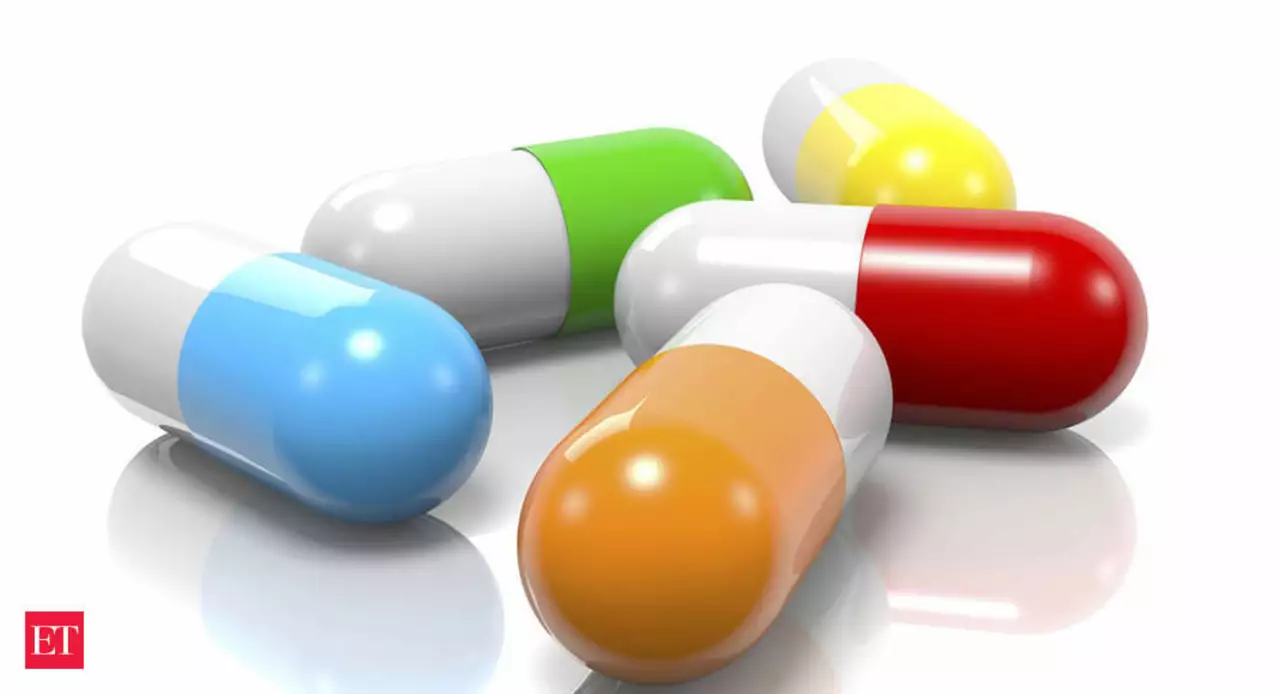
The pharmacokinetics of isosorbide dinitrate: what you need to know
16 Comments
Isosorbide dinitrate is a medication I recently came across, and I wanted to share some essential information about its pharmacokinetics. As a vasodilator, it works by relaxing blood vessels, which helps to alleviate chest pain associated with angina. It's fascinating how it metabolizes into an active metabolite, isosorbide-5-mononitrate, that contributes to the drug's overall effectiveness. The medication's half-life is about 1 to 2 hours, and it's primarily excreted through the kidneys. It's essential to understand these aspects of isosorbide dinitrate if you or a loved one are using it for heart-related issues.
Read MoreSearch
Latest Posts



About
Health and Wellness