
Most of us have a drawer or cabinet where old prescriptions go to die. Maybe it’s leftover antibiotics from last winter’s cold, painkillers that never got used after a sprained ankle, or antidepressants you switched off years ago. It feels harmless enough-just pills sitting in their original bottles. But those unused medications are more than clutter; they’re potential hazards. Left in the house, they can be misused by family members, guests, or even pets. Flushed down the toilet or poured down the sink, they pollute waterways. That’s why take-back events exist-and why preparing your meds correctly matters.
If you’ve ever wondered how to get rid of old drugs safely without risking rejection at a collection site, this guide breaks it down. We’ll cover what you can bring, how to package it, what to avoid, and how to protect your privacy while doing it right.
Why Proper Preparation Matters
Take-back programs aren’t just about getting rid of pills-they’re about stopping misuse and protecting the environment. According to data from the Drug Enforcement Administration (DEA), over 16,500 authorized collection sites across the U.S. now accept unwanted medications. In 2024 alone, companies like Stericycle incinerated nearly 30,000 tons of pharmaceutical waste through these channels. That’s a lot of medicine kept out of hands where it doesn’t belong.
But here’s the catch: not all drop-offs are accepted equally. If your meds aren’t prepared properly, staff may turn them away. And if too many people face rejection, fewer will bother bringing anything at all. The goal is simple: make disposal easy, safe, and consistent so everyone benefits.
What You Can Bring to a Take-Back Event
Not everything labeled “medicine” qualifies for take-back. Here’s what typically gets accepted:
- Prescription medications, including controlled substances like OxyContin, Xanax, Adderall, and Ritalin.
- Over-the-counter drugs such as ibuprofen, acetaminophen, antacids, and allergy meds.
- Vitamins and supplements, whether prescription or store-bought.
- Pet medicines, including flea treatments and joint support formulas.
- Transdermal patches, like nicotine or hormone replacement patches.
- Ointments, creams, and liquid medications, provided they’re sealed properly.
One thing to note: insulin pens and other injectables often need special handling. While most hospital-based collection points accept them, only about one-third of retail pharmacies do. Always check ahead if you’re unsure.
What Not to Bring
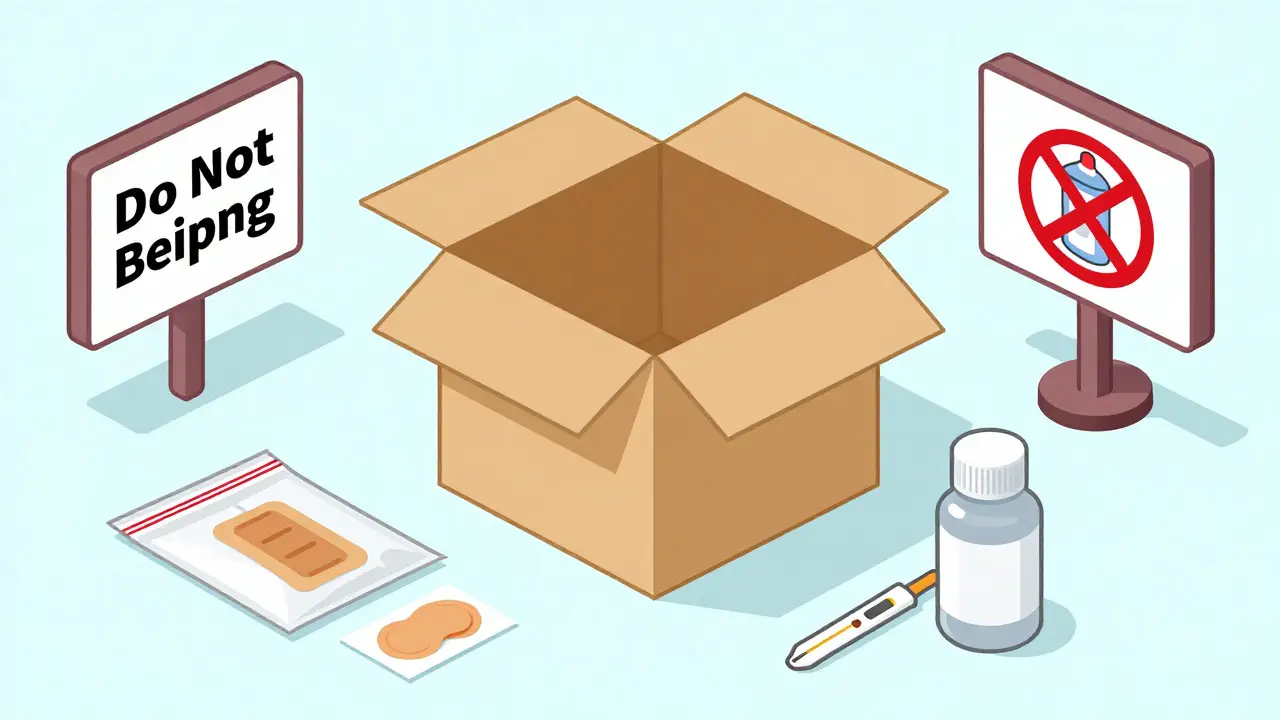
Some items simply don’t belong in standard medication bins. These include:
- Aerosol cans, including asthma inhalers
- Compressed gas cylinders
- Hydrogen peroxide solutions
- Iodine-containing products
- Thermometers
- Illicit drugs
These materials pose different risks-flammability, chemical instability, or contamination-and usually require separate hazardous waste protocols. Bringing them to a regular take-back event could lead to rejection or safety issues.
Step-by-Step: How to Prepare Your Medications
Getting ready for a take-back event doesn’t take long, but skipping steps can cost you time later. Follow this checklist to ensure smooth acceptance:
- Remove personal information. Use a permanent marker to black out your name, address, phone number, and any identifying details on the label. This isn’t just about privacy-it prevents someone from using your medical history against you or selling your info.
- Keep meds in original containers whenever possible. Most collection sites prefer this format because it makes sorting easier. About 92% of DEA-approved locations ask for original packaging.
- If no container exists, use a sealed bag or bottle. For loose pills, place them in a ziplock bag or small plastic bottle. Liquid meds should stay in their original vial or be transferred to a tightly capped alternative.
- Don’t mix prescriptions together. Keep each medication separate unless told otherwise. Some military and federal programs strictly prohibit combining drugs from different sources.
- Fold transdermal patches adhesive-side in. This stops residue from sticking to surfaces or leaking during transport. All major collection centers require this step.
Once done, double-check that nothing sticks out-labels covered, caps tight, bags secure. Then pack everything into a sturdy box or tote for transport.
Regional Differences in Acceptance Rules
While general guidelines apply nationwide, local rules vary. Understanding regional expectations helps avoid surprises:
| Region | Container Rule | Liquid Handling | Mixed Meds Allowed? |
|---|---|---|---|
| California | Original required | Sealed container | No |
| Washington State | Original or sealed bag | Securely sealed | Yes |
| Military Health System | Original preferred | Separate disposal | No |
| Walgreens Kiosks | Privacy protection only | Flexible | Yes |
As you can see, some places are stricter than others. California insists on original containers with redacted labels, while Walgreens lets you skip formal packaging entirely-as long as your identity stays hidden. Knowing which system applies to your nearest drop-off point saves headaches.
Common Mistakes That Get Rejected
Even well-meaning participants sometimes mess up preparation. Based on surveys and real-world reports, here are the top reasons meds get turned away:
- Incomplete removal of personal info (41% of rejections)
- Liquids stored in leak-prone containers (29%)
- Mixing multiple prescriptions in one bag (varies by location)
- Bringing prohibited items like aerosols or thermometers
- Using broken or cracked containers
Rural areas tend to have higher rejection rates due to less trained staff and inconsistent enforcement. Urban centers generally follow standardized procedures more closely. Still, calling ahead or checking online resources before heading out pays off.
Where to Find Nearby Collection Sites
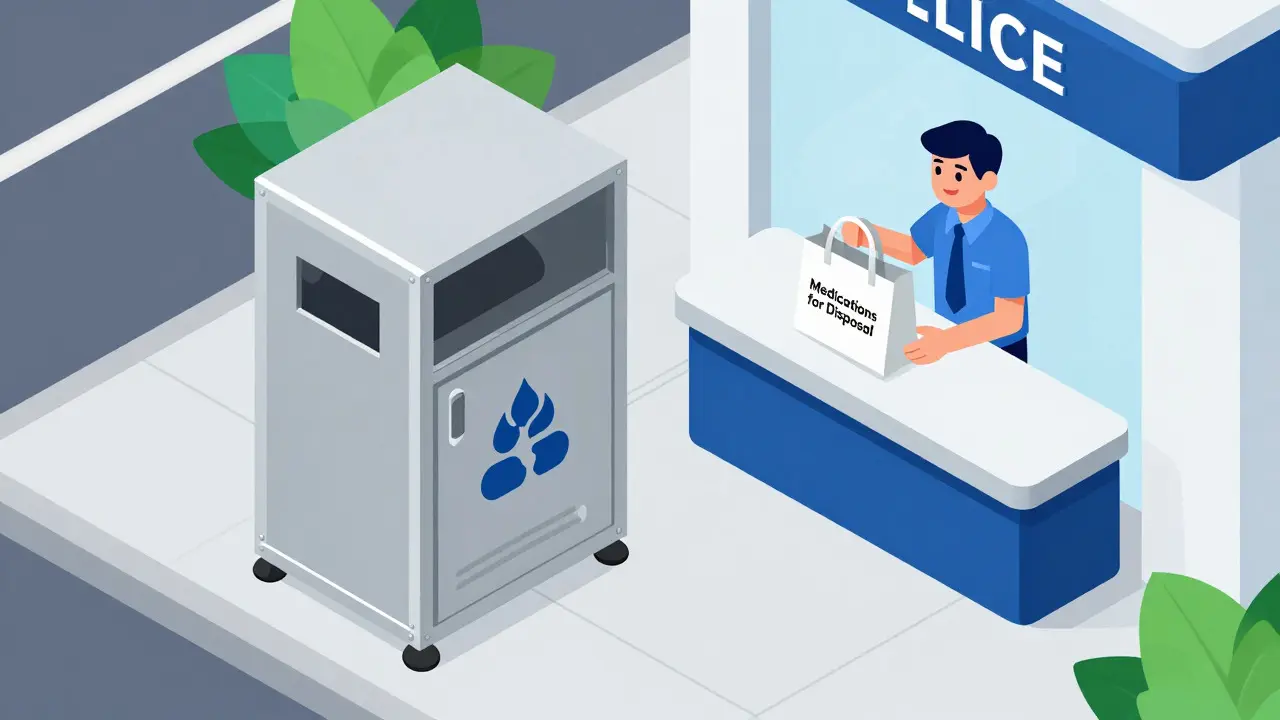
You don’t need to wait for a national event anymore. Thanks to the DEA’s “Every Day is Take Back Day” initiative launched in early 2024, thousands of permanent drop-off boxes operate year-round. Police stations, hospitals, pharmacies, and community centers host them regularly.
To find the closest option:
- Visit the DEA’s official locator tool
- Search by ZIP code or city name
- Filter by type (retail pharmacy, law enforcement, etc.)
- Note hours and accepted items listed for each site
About 71% of Americans live within five miles of a permanent collection point. Even better? Many states now offer mobile units that rotate through neighborhoods, making access even easier.
Pro Tips for Smooth Disposal
Here’s what seasoned users recommend:
- Call ahead if dropping off large quantities or specialty meds
- Bring ID if asked-some locations verify residency
- Ask staff for disposal pouches-they’re handy for future needs
- Drop off during off-peak hours to reduce wait times
- Label your outer bag clearly (“Medications for Disposal”) to speed processing
And remember: if you’re ever unsure whether something belongs, err on the side of caution. Better to leave it home than risk contaminating the bin or delaying others’ drop-offs.
The Bigger Picture: Why Participation Matters
Only 15% of unused medications currently reach proper disposal channels. Meanwhile, 43% of households keep opioids lying around, increasing the chance of accidental ingestion or diversion. Every pill you bring to a take-back event reduces that risk.
Environmentally speaking, flushing meds contributes to pharmaceutical pollution found in 80% of U.S. streams. By choosing take-back over trash or toilet, you help prevent active ingredients from entering ecosystems where they disrupt wildlife and water quality.
Experts agree: simplifying preparation rules boosts participation. States piloting universal standards report a 22% increase in drop-offs. As awareness grows and systems improve, we’ll likely see more people taking part-and fewer dangerous meds lingering in homes.
Can I mix different medications in one bag for take-back?
It depends on the location. Some sites allow mixed meds in a single sealed bag, especially if labels are removed. Others, particularly military and federal facilities, require each prescription to remain separate. Check with your local provider beforehand to confirm their policy.
Do I really need to hide my name on the bottle?
Yes. Removing or covering your name protects your privacy and prevents prescription data from being misused. Staff won’t care who owned the meds-they just want to destroy them safely. Blacking out the label takes seconds and avoids unnecessary exposure.
What happens to medications after I drop them off?
They’re sorted, tracked, and sent to licensed destruction facilities. Most end up incinerated at high temperatures, ensuring complete breakdown. Companies like Stericycle handle tens of thousands of tons annually, following strict EPA and DEA guidelines to minimize environmental impact.
Are there penalties for improper medication disposal?
Generally no-but consequences exist indirectly. Flushing meds harms aquatic life and violates local ordinances in some cities. Leaving dangerous drugs unsecured increases liability if someone else uses them improperly. Taking back responsibly avoids both legal and ecological fallout.
How often should I clean out my medicine cabinet?
Experts suggest reviewing your stash every six months. Discard expired items, consolidate duplicates, and send unused prescriptions to take-back events. Regular maintenance keeps things organized, reduces clutter, and lowers the odds of accidental misuse.
Can I donate unused medications instead of throwing them away?
Rarely. Federal law prohibits redistributing opened prescriptions due to safety concerns. A few nonprofit organizations accept sealed, unexpired generics under tight regulations-but options are limited. When in doubt, dispose via take-back rather than risk giving someone unsafe stock.
Is it okay to throw pills in the trash if no take-back option exists?
Only as a last resort. Mix crushed pills with undesirable material like coffee grounds or cat litter, seal in a plastic bag, then toss. Never flush unless instructed by FDA labeling (e.g., certain highly addictive opioids). Trash disposal minimizes harm when better alternatives aren’t available.
Will staff judge me for having leftover drugs?
Not at all. Collection workers see hundreds of drop-offs weekly. Their job is to collect, sort, and pass along-not question motives. Focus on prep, show up confidently, and let them do theirs. No explanations needed.
How do I know if a site accepts pet medications?
Most DEA-registered locations welcome veterinary meds alongside human ones. Call ahead or check the website listing for confirmation. Vets also sometimes partner with clinics for dedicated pet drug collections-worth asking if you have lots to dispose.
What’s the best way to store meds until I can drop them off?
Keep them in a cool, dry place away from children and pets. Original containers work best, but sealed bags suffice temporarily. Avoid basements or garages where heat or humidity degrade effectiveness. Store securely until your next trip to a collection point.


Comments
Megan Crossland July 22, 2026 AT 05:47
just black out the name and drop it. seriously why is this such a big deal
Crystal Tadlock July 22, 2026 AT 16:19
THEY are watching you! think about it! they want your medical history to build a profile on you for who knows what reason! i always burn mine in the backyard because at least then i know its gone and no government agent has my data! its a conspiracy plain and simple!
Tad Cronn July 23, 2026 AT 07:34
Let me ask you something, does the type of ink matter when you redact the label? I read somewhere that certain permanent markers can actually bleed through if the paper is thin enough, revealing the text underneath under specific lighting conditions which defeats the whole purpose of privacy protection doesn't it?
Sean Allwurden July 24, 2026 AT 18:33
Absolutely spot on regarding the redaction protocols! It is crucial to leverage high-opacity archival markers to ensure total obfuscation of PII (Personally Identifiable Information). When we synergize our disposal efforts with these best practices, we create a robust framework for community health safety. Let's optimize our workflow by pre-sorting controlled substances from OTCs to streamline the intake process at the collection sites. Great insights here!
Najmunisa Govender July 26, 2026 AT 01:16
Oh my goodness...,, this is so important!!.. I feel like people just forget how dangerous it can be for little ones... or even pets!!!.. Please please take care of your loved ones by doing this right!!.. It gives me peace of mind knowing there are places to go...
Laura Odom July 27, 2026 AT 16:18
honestly this is all just corporate greenwashing lol. they incinerate it but the smoke goes into the air anyway so whats the point? its all part of the cycle of consumption and destruction. we are all just cogs in the machine flushing away our sanity one pill at a time. very poetic really.
Katie Caruthers July 28, 2026 AT 06:37
I mean, obviously everyone should know this by now, but apparently some people are just too lazy to check their labels. It’s almost insulting how many times I’ve seen people dump random stuff in the bins. Do they think the staff are magicians? Just do your part and don’t make it harder for the rest of us who actually care about doing things correctly.
Jairam Prasad July 29, 2026 AT 21:43
In India, we often mix traditional remedies with allopathic drugs, so the concept of 'original container' is quite flexible. But I suppose in your structured society, you need rules for everything. Even disposing of poison requires a form. How delightful.
Vineet Hawelia July 31, 2026 AT 13:16
The guidelines provided are comprehensive and align well with international standards for pharmaceutical waste management. It is particularly noteworthy that regional variations exist, as local regulations can significantly impact acceptance criteria. Individuals are advised to verify specific requirements with their local collection points prior to disposal to ensure compliance and efficient processing.