
Imagine walking into your local pharmacy, handing over a prescription for a medication you’ve trusted for years, only to be told the pharmacist is switching it to a generic version. For some, this is a cost-saving win. For others, especially those managing chronic conditions or taking sensitive medications, it feels like a violation of their medical autonomy. The truth is, your right to refuse generic substitution isn’t universal; it depends entirely on where you live and what you’re taking. Navigating these state-specific rules can feel like decoding a foreign language, but understanding them empowers you to take control of your healthcare decisions.
The Legal Landscape: It’s All About Your State
In the United States, there is no single federal law that dictates how pharmacists must handle generic substitution. Instead, the framework was established by the Hatch-Waxman Act (Drug Price Competition and Patent Term Restoration Act of 1984), which set the stage for modern generic drug approval while leaving implementation details to individual states. As of 2023, all 50 states and Washington, DC have their own statutes governing this practice, leading to significant variation in patient rights.
A comprehensive 2020 cross-sectional study published in JAMA Internal Medicine, led by Dr. Aaron Kesselheim from Harvard Medical School, analyzed these laws across the country. The findings reveal three distinct categories of state regulations:
- Mandatory Substitution: In 19 states, including California, New York, and Texas, pharmacists are generally required to substitute generics when available, unless the prescriber specifically indicates "dispense as written" (DAW) or the patient objects at the point of sale.
- Consent Required: Seven states-Alaska, Connecticut, Hawaii, Maine, Massachusetts, New Hampshire, and Vermont-plus DC require explicit patient consent before a pharmacist can swap a brand-name drug for a generic one. In these jurisdictions, the default is the brand name unless you agree otherwise.
- Permissive with Notification: Many other states allow substitution but mandate that pharmacists notify the patient of the switch, ensuring transparency even if the choice isn't explicitly requested.
This patchwork creates confusion, particularly for residents living near state borders or those using mail-order pharmacies. If you move from a consent-based state to a mandatory-substitution state, your rights change overnight. Knowing your specific state’s stance is the first step in protecting your preference for brand-name medications.
Why You Might Want to Keep the Brand Name
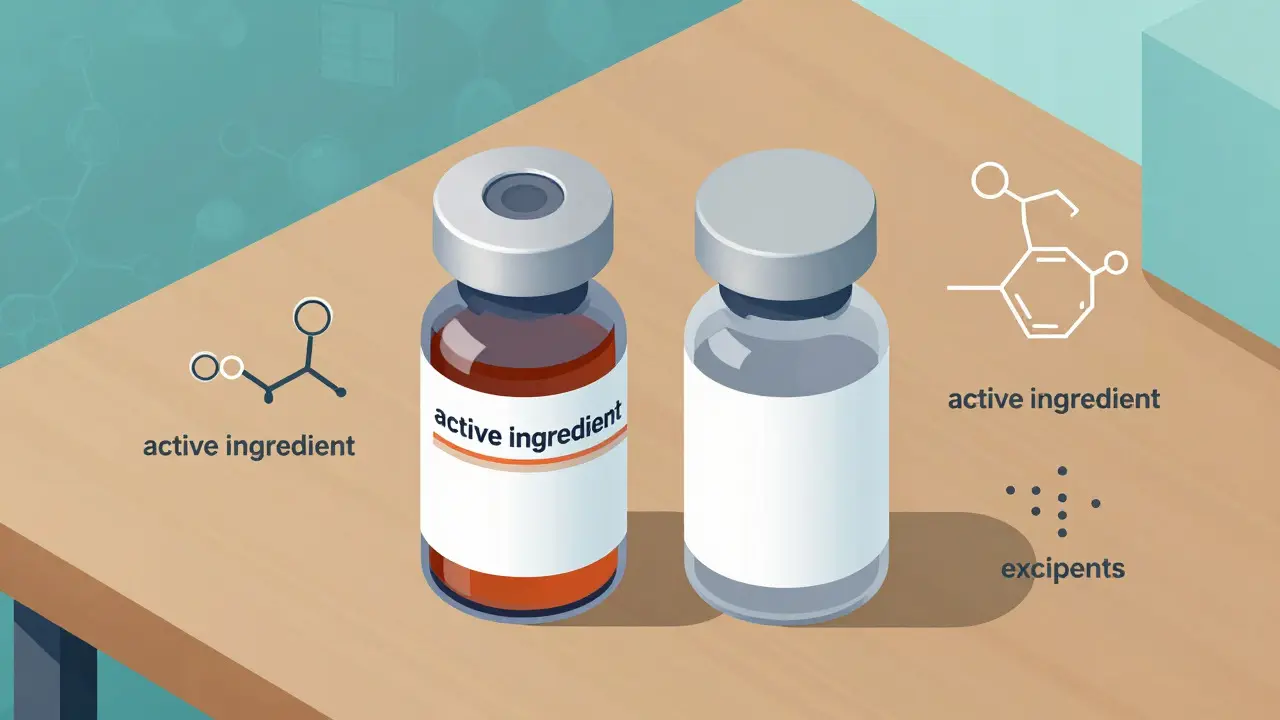
Most people assume generics are identical to brand-name drugs. While the FDA requires that generic drugs contain the same active ingredient, strength, dosage form, and route of administration as the brand-name reference product, they don’t always look or taste the same. More importantly, they may contain different inactive ingredients, known as excipients.
For most healthy individuals, these differences are negligible. However, for patients with allergies to specific dyes, fillers, or binders, or those taking Narrow Therapeutic Index (NTI) drugs, the stakes are higher. NTI drugs, such as levothyroxine (for thyroid issues), warfarin (blood thinner), and certain antiepileptics, have a small margin between a therapeutic dose and a toxic one. A slight variation in bioavailability-the amount of drug that actually reaches your bloodstream-can lead to adverse effects or reduced efficacy.
The World Medical Association (WMA) has stated that once a medication for a chronic disease has been prescribed and begun, no substitution should occur without the attending physician's permission. This position highlights a legitimate concern: if a patient is stable on a specific formulation, changing it without medical oversight can disrupt that stability. Additionally, biologics, which are complex proteins rather than simple chemical compounds, face even stricter scrutiny. Biosimilars are not considered "generics" of biologics, and many states impose additional safeguards for their substitution due to potential immunogenicity risks.
How to Exercise Your Right to Refuse
If you know you want the brand-name drug, here is how to ensure you get it. The process varies slightly by state, but the core actions remain consistent.
- Check Your State Law: Determine if your state requires consent or mandates substitution. Resources like the National Community Pharmacists Association or your state’s Board of Pharmacy website provide up-to-date summaries.
- Talk to Your Doctor: If you have a medical reason for staying on the brand name (such as an allergy to a generic excipient or a history of side effects), ask your prescriber to write "Dispense as Written" (DAW) on the prescription. In 48 states, a DAW notation legally prevents automatic substitution. Note that some states prohibit doctors from making DAW the *default* for all prescriptions, so it must be intentional per script.
- Communicate at the Counter: In states where substitution is permitted but not mandatory, simply telling the pharmacist, "I decline substitution," is often legally sufficient to receive the brand name. In consent-required states, this statement is effectively your signature of refusal.
- Document Everything: Keep a record of any refusals and communicate directly with your prescriber about why the brand name is necessary. This paper trail protects you if a future pharmacist tries to override your preference.
According to a 2022 guide by the National Consumers League, patients who explicitly state their refusal encounter fewer issues than those who remain silent. However, a 2021 survey by Consumer Reports found that 28% of patients still faced difficulties, often because pharmacists claimed substitution was mandatory or that refusing would increase costs. If this happens, ask for the pharmacy manager and cite your state’s specific statute. Most conflicts are resolved once the legal requirement is clarified.
Cost Considerations and Insurance Implications
The biggest hurdle for many patients wanting brand-name drugs is cost. Generic drugs typically cost 80-85% less than their brand-name counterparts, according to a 2021 Congressional Budget Office report. Insurance plans and Pharmacy Benefit Managers (PBMs) heavily incentivize generics to keep premiums low.
If you refuse a generic, you may face a higher copay. However, this isn’t always the case. Some insurance plans cover the full cost of brand-name drugs if they are deemed "medically necessary." To qualify, your doctor may need to submit a prior authorization request explaining why the generic won’t work for you. Additionally, since the 2018 Know the Lowest Price Act, pharmacists are prohibited from hiding lower cash prices behind insurance co-pays. This means you can sometimes pay out-of-pocket for a brand-name drug and save money compared to using insurance for a generic, especially if the brand is covered by a manufacturer discount card.
| Patient Action | Outcome in Consent States (e.g., MA, CT) | Outcome in Mandatory States (e.g., CA, TX) | Typical Cost Impact |
|---|---|---|---|
| Silent / No Preference Stated | Brand Name Dispensed | Generic Dispensed | Low (Generic Price) |
| Explicitly Declines Substitution | Brand Name Dispensed | Brand Name Dispensed | High (Brand Price) |
| Prescription Marked DAW | Brand Name Dispensed | Brand Name Dispensed | High (Brand Price) |
| Accepts Substitution | Generic Dispensed | Generic Dispensed | Low (Generic Price) |

Special Cases: Biologics and Insulin
Biosimilars present a unique challenge. Unlike small-molecule generics, biosimilars are similar but not identical to the reference biologic. They may differ in impurities or storage requirements. A 2023 report by psoriasis.org confirmed that while all states allow prescribers to indicate DAW for biologics, only 38 states plus DC require pharmacists to notify the prescriber when substituting a biosimilar.
Patients on insulin therapy have reported particular sensitivity to switches. Forum discussions from Diabetes Daily revealed cases where patients experienced erratic blood sugar levels after being switched from Lantus to Basaglar (a biosimilar) without notice. If you are on a biologic or insulin, it is crucial to discuss interchangeability with your endocrinologist or specialist. They can determine if your specific plan allows for "interchangeable" biosimilars, which carry a higher standard of regulatory approval than standard biosimilars.
What to Do When Things Go Wrong
Even with clear communication, errors happen. If you believe you were substituted against your will or without proper notification, you have several avenues for recourse:
- State Board of Pharmacy: All 50 states maintain complaint procedures. Filing a formal complaint can trigger an investigation into the pharmacist’s adherence to state law.
- FDA MedWatch: If the substitution led to an adverse event, report it through the FDA’s medication error reporting system. This data helps regulators identify trends in substitution-related harm.
- Legal Action: In rare cases, such as the 2019 Michigan lawsuit involving an antiepileptic drug, patients have successfully sued pharmacies for failing to follow consent laws. While litigation is extreme, it underscores that these rights are enforceable.
As of 2026, the trend is moving toward greater patient control. Recent legislative updates in states like Colorado and Nevada have strengthened notification requirements for biologics. Furthermore, the FDA’s ongoing initiatives to differentiate between simple generics and complex molecules suggest that future policies will offer more granular options for patients. By staying informed and proactive, you can ensure that your medication choices reflect your needs, not just the pharmacy’s inventory management.
Can a pharmacist substitute my medication if I’m not present?
It depends on your state. In states requiring explicit consent, the pharmacist generally cannot substitute if you haven’t agreed, even if you pick up the prescription later. In mandatory substitution states, they likely can, unless the prescription is marked DAW. Always verify your state’s specific rule regarding remote or deferred consent.
Does 'Dispense as Written' guarantee I’ll get the brand name?
In most cases, yes. A DAW notation instructs the pharmacist to dispense exactly what was prescribed. However, some states limit how often doctors can use DAW by default. If your doctor marks it intentionally for a specific medical reason, it is a strong legal directive to avoid substitution.
Are generics really safe for everyone?
For the vast majority of patients, yes. The FDA requires generics to demonstrate bioequivalence to the brand-name drug. However, patients with allergies to inactive ingredients or those on narrow therapeutic index drugs may experience different outcomes. These groups should consult their physician before accepting substitution.
Will my insurance cover the brand name if I refuse the generic?
Not automatically. Most insurance plans prefer generics to control costs. To get the brand name covered, you may need a prior authorization from your doctor proving the generic is ineffective or unsuitable for you. Without this, you might pay the difference out-of-pocket.
What is the difference between a generic and a biosimilar?
Generics are copies of small-molecule drugs and must be chemically identical in active ingredients. Biosimilars are highly similar versions of complex biologic drugs. They are not considered generics and often require separate regulatory approvals and may have different substitution rules depending on the state.


