
College life is supposed to be about late-night study sessions, new friendships, and figuring out who you are. But for many students, that routine includes a hidden risk: sharing or misusing prescription medications. It’s not just about party drugs anymore. The most common substances being misused on campuses today are pills prescribed by doctors-specifically stimulants like Adderall, pain relievers, and sedatives.
If you’re a student, a parent, or an educator, understanding medication safety isn’t just a health tip; it’s a survival skill. Young adults aged 18 to 25 misuse prescription drugs at higher rates than any other age group. This article breaks down why this happens, the real risks involved, and practical steps you can take right now to stay safe.
The Reality of Prescription Drug Misuse on Campus
Let’s look at the numbers because they paint a stark picture. According to data from the National Survey on Drug Use and Health (NSDUH), millions of full-time college students are part of a population highly vulnerable to prescription medication misuse. In recent years, nearly 6 percent of young adults aged 18-25 reported misusing prescription drugs in the past month alone. That number jumps significantly when you look at lifetime usage, with over 28 percent of college-aged young adults admitting to having misused a prescription psychotherapeutic drug at least once.
Why is this happening? It’s rarely malicious intent. Often, it starts with good intentions gone wrong. A friend offers you their leftover antibiotics. You borrow a classmate’s ADHD medication to pull an all-nighter before finals. These actions seem harmless in the moment, but they define 'misuse.' Misuse means taking a medication without a prescription, taking it in a different way or dose than prescribed, or taking it for reasons other than those for which it was prescribed.
What counts as prescription drug misuse?
Misuse includes taking a medication without a valid prescription, taking someone else's medication, altering the dose (crushing pills, snorting them), or using it for non-medical reasons like studying better or getting high.
Stimulants: The Most Common Culprit
When we talk about medication safety for college students, we have to talk about stimulants. They account for roughly 75 percent of all reported prescription drug misuse on campuses. Medications like Adderall is a central nervous system stimulant commonly prescribed for Attention Deficit Hyperactivity Disorder (ADHD) are often passed around like candy during exam weeks.
A 2021 survey found that 62 percent of college students knew a peer who had misused prescription drugs in the past year, and in 75 percent of those cases, it involved stimulants. Why? Because academic pressure is immense. Students believe these pills will help them focus, stay awake, and perform better. But here’s the catch: if you don’t have ADHD, these stimulants don’t necessarily improve your learning ability. They just make you feel like you’re working harder while potentially causing anxiety, heart palpitations, and sleep disturbances.
Dr. Jane Maxwell, a substance abuse researcher, notes that erratic sleep schedules and the culture of academic success drive this behavior. The result? Stimulant-related emergency room visits among college-aged young adults tripled between 2005 and 2010. The physical toll includes heart and blood vessel problems, psychiatric issues, and a high risk of developing dependence.
Pain Relievers and Sedatives: The Hidden Risks
While stimulants get the most attention, pain relievers (opioids) and sedatives/tranquilizers remain dangerous. Although misuse of pain relievers has declined slightly among college students compared to non-college peers, it remains a critical issue. Opioids like Vicodin and OxyContin are powerful depressants. When mixed with alcohol-a common occurrence on campus-they can suppress breathing to fatal levels.
Sedatives, often prescribed for anxiety or insomnia, are also frequently misused. Some students use them to "come down" after stimulant use or to relax socially. However, combining sedatives with alcohol creates a synergistic effect that drastically increases the risk of overdose. Research shows that prescription opioid misuse affected nearly 12 percent of young adults in the past year. The key takeaway? Never mix prescription medications with alcohol or other drugs unless explicitly cleared by a doctor.
| Medication Class | Common Brand Names | Primary Reason for Misuse | Key Risk |
|---|---|---|---|
| Stimulants | Adderall, Ritalin | Academic performance, staying awake | Heart problems, anxiety, dependence |
| Opioids/Pain Relievers | Vicodin, OxyContin | Euphoria, pain relief | Respiratory depression, overdose |
| Sedatives/Tranquilizers | Xanax, Valium | Anxiety reduction, social relaxation | Drowsiness, memory loss, interaction with alcohol |
Where Do Students Get These Drugs?
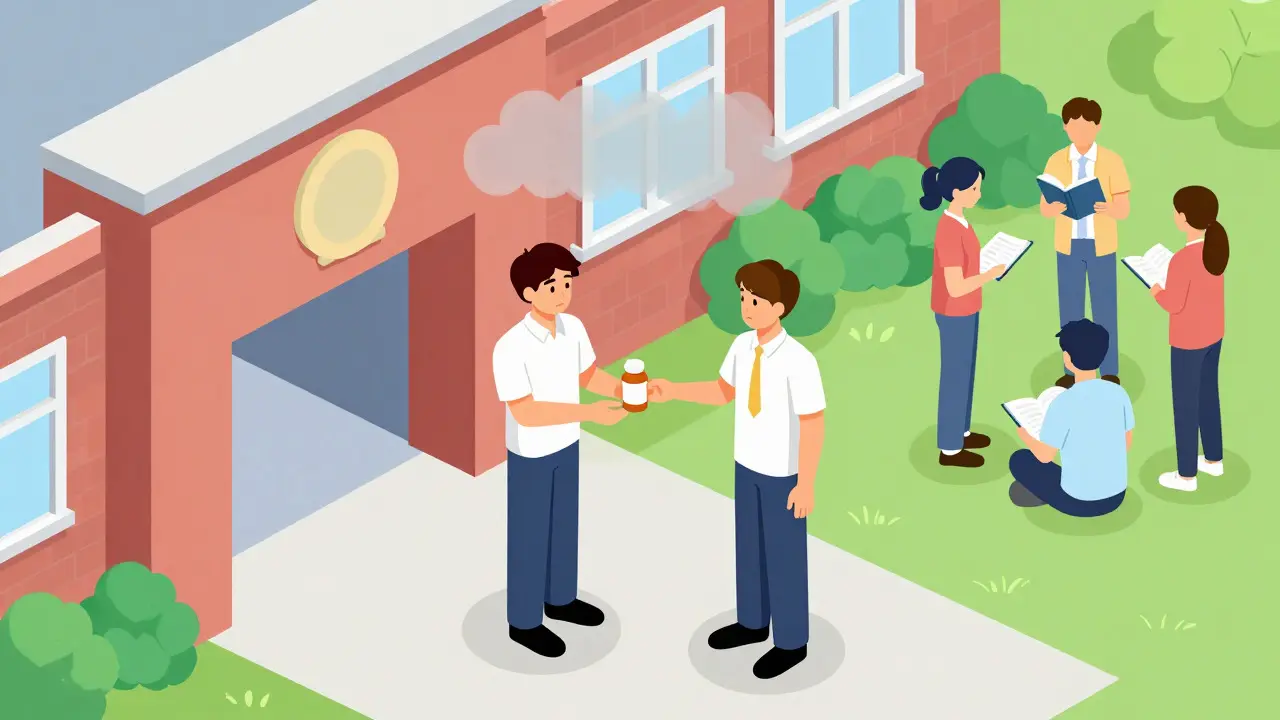
You might think getting prescription drugs requires a pharmacy run. For many students, it’s much easier-and more dangerous. Approximately 60 percent of misused prescription drugs are obtained directly from peers: friends, roommates, or classmates. This "sharing" culture normalizes the behavior. If your roommate says, "Here, take my leftover antibiotic," it feels helpful. But it’s unsafe.
Accessibility is a major factor. A campus drug survey found that 42 percent of respondents knew where to obtain prescription stimulants without a prescription on campus. Conversely, only 29 percent could identify proper medication disposal locations. This gap highlights a lack of education. Students need to know that borrowing meds is borrowing trouble. Allergies, underlying conditions, and interactions with other medications make someone else’s prescription a potential hazard for you.
Practical Steps for Medication Safety
So, how do you protect yourself and your peers? Here are actionable strategies based on successful campus interventions.
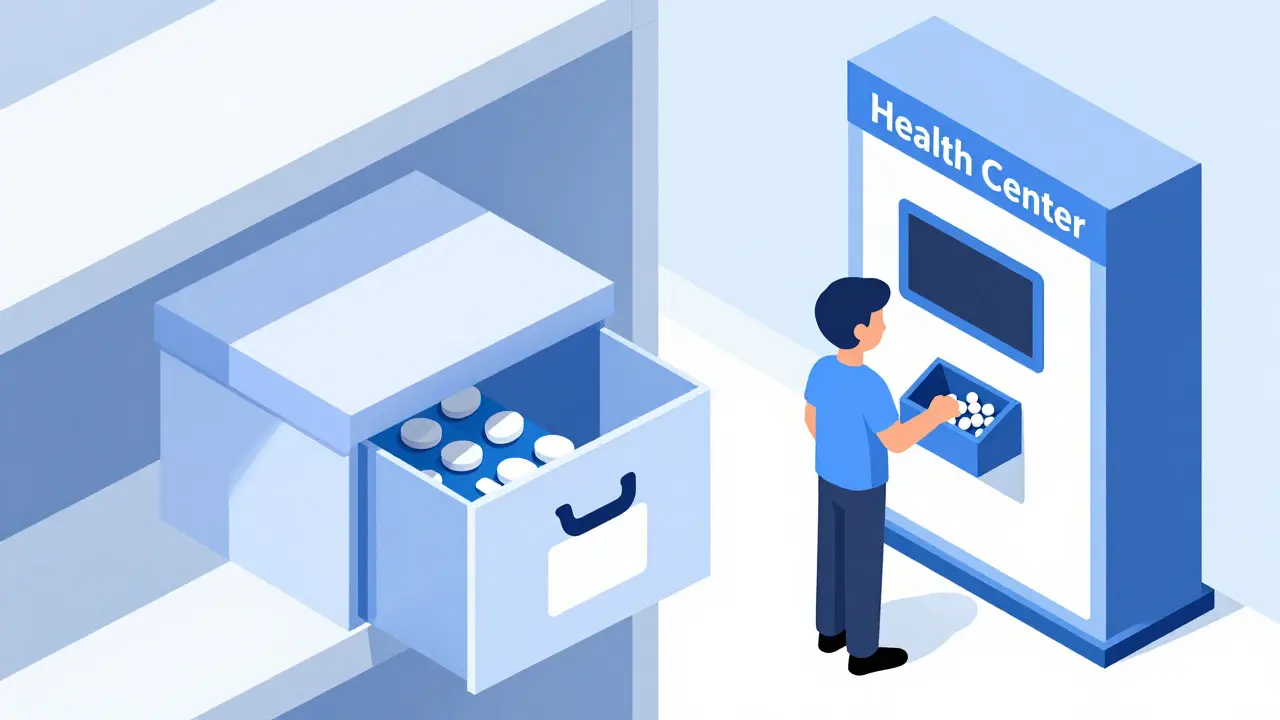
- Store Medications Securely: If you have a legitimate prescription, keep it in a locked box or a secure location in your dorm or apartment. Don’t leave pills on your desk where roommates can see them. The University of Florida’s 'Safe Meds' program reduced stimulant misuse by 18 percent simply by providing lock boxes for storage.
- Dispose of Leftovers Properly: Flushing meds down the toilet is often discouraged due to environmental impact, but keeping unused pills invites misuse. Look for campus disposal kiosks. Many colleges now have drop-off bins for expired or unused medications. If no kiosk is available, check local pharmacy take-back programs.
- Be Honest with Healthcare Providers: If you’re struggling with focus or anxiety, see a counselor or doctor. Self-medicating with borrowed pills masks the problem and adds new ones. Professional support addresses the root cause, whether it’s stress, poor sleep hygiene, or an undiagnosed condition.
- Watch Your Sleep Schedule: The CDC recommends maintaining a regular sleep schedule as a healthy alternative to sleeping pills. Chronic sleep deprivation drives many students to seek sedatives or stimulants. Prioritizing rest is a form of medication safety.
- Educate Your Circle: Talk to your friends. Normalize saying "no" when offered someone else’s medication. Peer-led prevention programs are highly effective because they come from trusted sources, not authority figures.
The Role of Campus Resources
Colleges are waking up to this crisis. The number of institutions implementing comprehensive medication safety programs has skyrocketed, growing from 215 in 2015 to over 1,400 in 2023. Many universities now have dedicated medication safety coordinators.
Take advantage of these resources. Student health centers often offer brief educational interventions during routine visits. Studies show these short conversations increase proper medication disposal by 35 percent. Additionally, academic coaching services, like the 'Wolverine Wellness' initiative at the University of Michigan, have proven that combining academic support with health education reduces stimulant misuse by 22 percent. If you’re feeling pressured to use drugs to succeed, seek out academic tutoring or time-management workshops instead.
Regulatory Changes and New Formulations
On a broader scale, regulations are tightening. The DEA now requires electronic prescriptions for Schedule II medications (which include most stimulants) in 49 states. This change has reduced prescription forgery incidents on campuses by 31 percent. Furthermore, pharmaceutical companies are developing abuse-deterrent formulations. Early data suggests these new versions of certain stimulants reduce misuse by 15 percent compared to standard pills, making them harder to crush or snort.
Insurance coverage is also improving. Nearly 70 percent of university health plans now cover medication-assisted treatment for opioid use disorder, up from just 32 percent in 2015. This means help is more accessible than ever before.
Conclusion: Safety is a Shared Responsibility
Medication safety isn’t just about avoiding addiction; it’s about protecting your physical health and academic integrity. The pressure to perform is real, but the cost of misusing prescription drugs is higher. By storing meds securely, disposing of leftovers correctly, and seeking professional help for stress or focus issues, you break the cycle of misuse. Remember, your brain and body are your most valuable assets in college. Treat them with respect.
Is it safe to share antibiotics with a friend?
No. Antibiotics are specific to the type of bacteria causing an infection. Taking someone else's antibiotics may not treat your illness, can lead to antibiotic resistance, and may cause allergic reactions or side effects.
How can I dispose of unused prescription pills safely?
Look for medication take-back kiosks on your campus or at local pharmacies. If none are available, follow FDA guidelines: mix pills with unpalatable substances like dirt or coffee grounds, seal them in a container, and throw them in the trash. Check specific drug labels for flushing instructions if necessary.
What are the signs of prescription stimulant misuse?
Signs include increased energy, decreased appetite, dilated pupils, rapid speech, anxiety, irritability, and sleep disturbances. Long-term misuse can lead to cardiovascular issues and psychological dependence.
Does Adderall actually help people study better if they don't have ADHD?
Research is mixed, but generally, it does not significantly improve learning outcomes for those without ADHD. It may help with alertness and task initiation, but often at the cost of increased anxiety and disrupted sleep patterns, which ultimately hinder academic performance.
What should I do if I suspect a friend is misusing prescription drugs?
Approach them with concern, not judgment. Encourage them to speak with a campus health professional. Many colleges offer confidential counseling and support services specifically designed to help students navigate substance misuse without academic penalty.


Comments
Ambarish Pal July 21, 2026 AT 06:22
Oh, please. Spare me the lecture from someone who clearly has never had to pull an all-nighter while their brain feels like it's being scrambled by a blender. You think we're just popping Adderall for fun? Try explaining to your boss that you failed three midterms because you were 'sleeping' eight hours a night instead of actually learning the material. It's not about getting high; it's about survival in a system designed to break us.
Patrick Meyer July 21, 2026 AT 18:45
typical alarmist garbage. these pills are fine if u know what ur doing. the real problem is lazy students who cant handle basic responsibility. stop whining and start studying harder instead of looking for shortcuts. its not rocket science.
Andrew Donovan July 23, 2026 AT 12:30
While the pressure is undeniably intense, treating prescription stimulants as mere tools for academic endurance ignores the physiological toll they exact on the developing brain. The body keeps score, often in ways that manifest years later as chronic anxiety or cardiovascular strain. Consider the wisdom of moderation and the profound value of restorative sleep over artificial alertness. A clear mind is far more valuable than a chemically induced one, even if the latter seems easier in the short term. Let us strive for holistic well-being rather than fragmented success.
Prashant Shishodia July 25, 2026 AT 07:45
Listen up. If you have meds, lock them up. Do not leave them on your desk. It is simple. Your roommate might be nice but they are not your doctor. Keep your stuff safe. Dispose of old pills properly. Use the kiosks. It takes five minutes. Save yourself trouble. Stay focused on your goals. Health comes first.
Autumn LW July 27, 2026 AT 04:46
The sheer ignorance displayed here is staggering. To suggest that sharing antibiotics or borrowing ADHD medication is merely a 'harmless' peer interaction is to ignore basic pharmacology and legal statutes. These are Schedule II controlled substances for a reason. The casual dismissal of potential interactions with underlying conditions shows a disturbing lack of medical literacy among the student population. One does not simply 'borrow' another person's biology. It is reckless, irresponsible, and frankly, embarrassing to see such naivety celebrated as camaraderie.
Scott Colter July 27, 2026 AT 09:30
There is a strange paradox in how we view focus. We chase the chemical clarity of stimulants, yet we destroy the natural clarity of our minds through sleep deprivation and stress. Perhaps the true addiction is not to the pill, but to the illusion of control it provides in a chaotic world. When we silence the noise with chemistry, do we also silence our own voices? It is worth pondering whether the destination is worth the altered state of travel.
Paul Lyons July 27, 2026 AT 20:22
This whole article is a liberal snowflake nightmare! They want to take away our rights to manage our own health because they can't handle competition. In America, we work hard! We don't need government regulators telling us how to study. Those DEA rules are just another way to stifle freedom. Keep your politics out of my pharmacy bag! We should be focusing on making colleges affordable, not policing every little pill. Typical nanny state nonsense trying to ruin the American dream of higher education.
Deva Vidya July 28, 2026 AT 08:43
It is so important to talk about this openly. Many students feel alone in their struggle. Remember, asking for help is strength, not weakness. If you see a friend struggling, reach out. Create a supportive environment where saying no is easy. We can change the culture together. Let's prioritize mental health and proper disposal methods. Small steps lead to big changes. You are not alone in this journey.
ANINDA GHOSH July 28, 2026 AT 21:00
In my culture, we believe that knowledge is power, but health is wealth. 🙏 It is fascinating to see how different societies approach wellness. Here, we often rely on holistic remedies before turning to heavy pharmaceuticals. However, the modern college environment is unique. The key is balance. Respect the medicine, respect the body. Do not let the pressure of grades overshadow the sanctity of your physical self. Take care of your inner peace. ✨
MiMi Stanley July 29, 2026 AT 00:38
I've noticed that many students I know use these drugs not because they want to get high, but because they are terrified of failing. The fear is palpable. It's interesting to observe how the academic environment itself contributes to this cycle. Maybe the solution isn't just better storage boxes, but a shift in how we value performance versus understanding. It's a quiet crisis happening in plain sight.
Najmunisa Govender July 30, 2026 AT 00:09
Please, listen to your bodies!! They will tell you when something is wrong!!! Don't ignore the signs!!! Anxiety, heart palpitations, sleep loss... these are red flags!!! Talk to someone!!! You deserve to be healthy!!! Don't let the pressure win!!! Reach out for help today!!! Your life matters more than any grade!!!